 Illustrative image
Planning
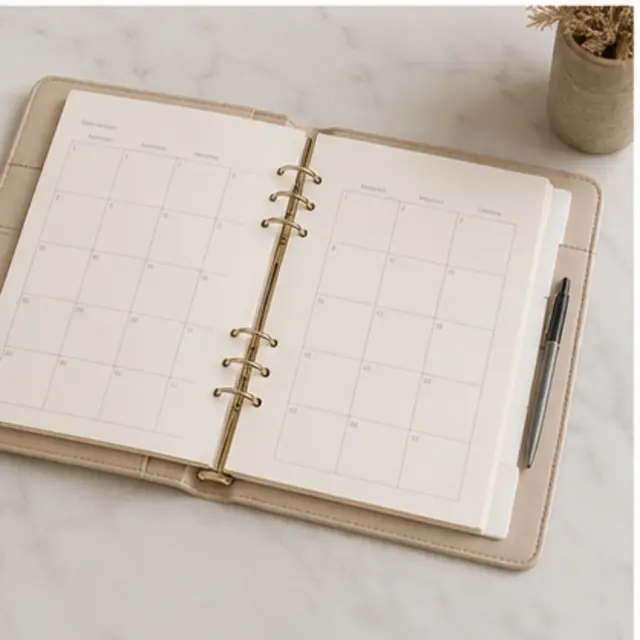
Monthly Budget Planner
A paper-based way to see bills, flexible spending, savings goals, and upcoming obligations together.
Best forPeople who think more clearly on paper
View on Amazon Money & Career
Financial strength begins with visibility and margin. Know what must be paid, automate the important work, and make recurring decisions before they become recurring expenses.
Calculate the monthly cost of housing, utilities, insurance, transportation, groceries, minimum debt payments, and other essentials. This is your operating floor. It is different from total spending and more useful than a vague budget because it tells you what must be covered if income changes. Review it whenever a contract, rate, or living arrangement changes.
Housing, car payments, subscriptions, and financed purchases consume future income before the month begins. Food out, entertainment, and travel are easier to adjust. Before adding a recurring expense, ask what it will replace and whether you would still want it during a slower month. A modest purchase repeated every month can matter more than an occasional larger one.
Use automatic payments for dependable bills and automatic transfers for savings and investing goals that fit your circumstances. Automation prevents missed steps, but it is not permission to stop looking. Review statements, renewal notices, fees, and balances each month. Cancel what no longer earns its cost and investigate unfamiliar charges promptly.
Start with a small buffer for repairs, deductibles, travel changes, or a temporary income gap. Then work toward a larger reserve based on essential expenses, job stability, insurance, and personal obligations. Keep emergency money accessible and separate from everyday spending. The right target is personal; the important point is that a problem should not automatically become expensive debt.
Price is only the entry point. Consider how often the item will be used, maintenance, subscriptions, storage, resale, and the cost of changing direction. Spend confidently on tools, experiences, and services that repeatedly improve life. Be slower with status purchases and long commitments. For investments, taxes, insurance, or major financial decisions, use qualified advice suited to your situation.
Bottom line
The goal is not to remove every pleasure. It is to protect the difference between what you earn and what your lifestyle permanently requires. That margin creates options when work, health, relationships, or priorities change.
Useful products
Each recommendation has a specific job. Measure your space and compare the current listing before buying.
Affiliate disclosure: As an Amazon Associate I earn from qualifying purchases. Product images are illustrative and may not show the exact current Amazon listing. Confirm dimensions, compatibility, price, and return terms before buying.
Illustrative imagePlanning
A paper-based way to see bills, flexible spending, savings goals, and upcoming obligations together.
 Illustrative image
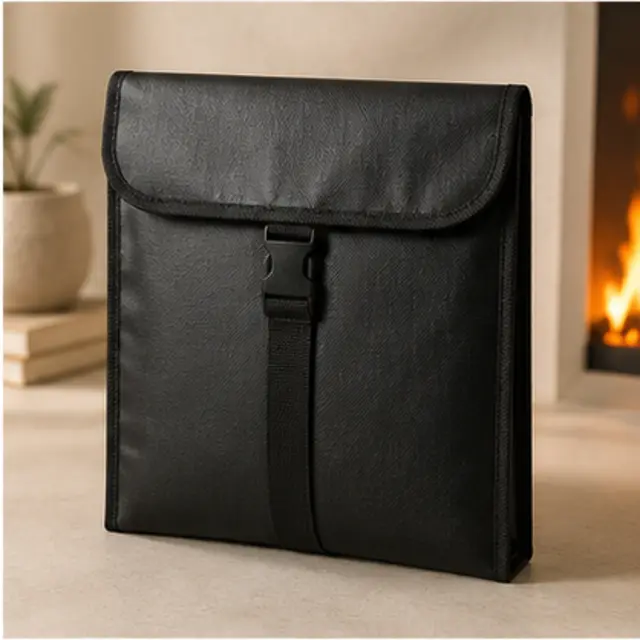
Documents
Keeps copies of insurance, identification, warranties, and essential records together in one place.