 Illustrative image
Fast cooking
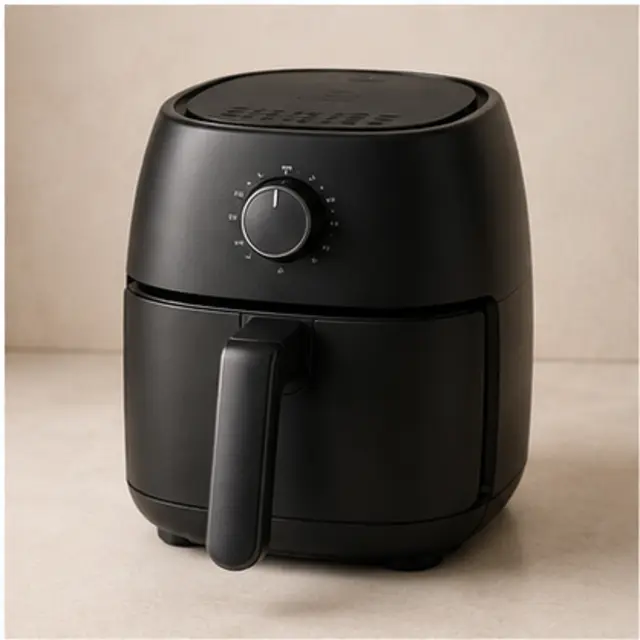
Ninja AF101 4-Quart Air Fryer
A practical size for solo meals, vegetables, protein, and reheating without using a full oven.
Best forFast portions and crisp reheating
View on Amazon Food & Kitchen
A solo kitchen works best when shopping, cooking, storing, and reheating form one simple loop. The aim is better food with less waste—not restaurant-level complexity every night.
Choose a few proteins, vegetables, and bases that can appear in more than one meal. Chicken, eggs, beans, rice, potatoes, frozen vegetables, tortillas, and a few sauces can become bowls, wraps, salads, or quick plates. This reduces the number of ingredients that have only one purpose and makes it easier to use what is already open.
Before shopping, check the refrigerator and freezer and decide what needs to be used first. Plan a handful of meals plus one backup meal, then buy quantities that match. Bulk pricing is not savings when food spoils. Frozen vegetables, individually portioned proteins, and shelf-stable basics provide flexibility without demanding that every meal be scheduled in advance.
Make enough of a flexible component for two or three uses, but avoid a giant batch you will resent by day four. Portion leftovers soon after cooking, label them, and freeze what you will not eat promptly. Keep one serving visible for the next meal and move the rest out of the danger zone where it becomes forgotten refrigerator clutter.
A sharp knife, stable cutting board, skillet, saucepan, sheet pan, and a few matching containers cover most needs. Add a compact appliance only when it changes behavior—for example, making a home meal faster than ordering delivery. Favor tools that are easy to clean and store, because cleanup friction often determines whether you cook again tomorrow.
Keep ingredients for three fast meals you genuinely like: eggs and toast, a freezer portion with vegetables, or a simple pasta and protein. These are not failure meals. They are the system that prevents a demanding day from automatically becoming expensive takeout and another round of unused groceries.
Bottom line
Buy for the food you actually cook, portion leftovers before they disappear into one large container, and keep the next meal obvious. A small, dependable system beats a crowded kitchen and an ambitious menu.
Useful products
Each recommendation has a specific job. Measure your space and compare the current listing before buying.
Affiliate disclosure: As an Amazon Associate I earn from qualifying purchases. Product images are illustrative and may not show the exact current Amazon listing. Confirm dimensions, compatibility, price, and return terms before buying.
Illustrative imageFast cooking
A practical size for solo meals, vegetables, protein, and reheating without using a full oven.
 Illustrative image
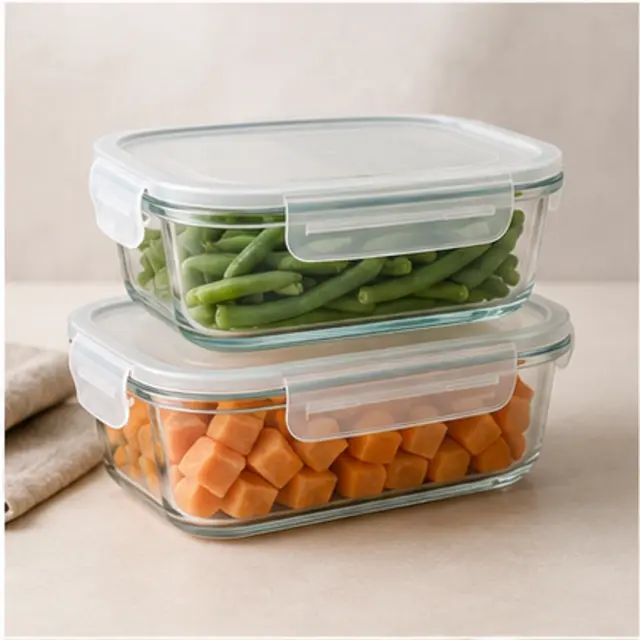
Food control
Clear, stackable containers that make leftovers visible and easier to portion, freeze, and reheat.
 Illustrative image
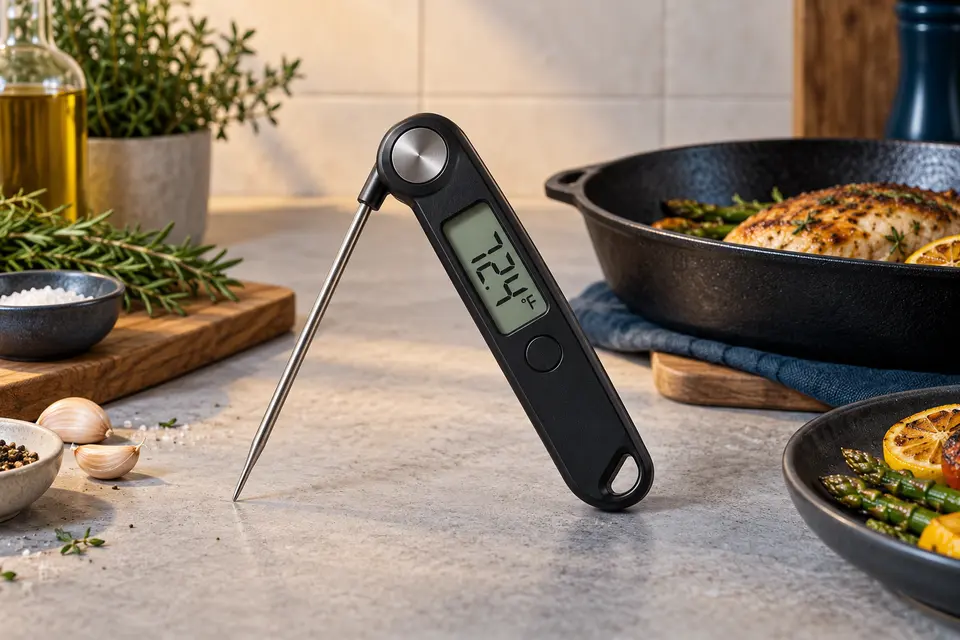
Consistency
A folding instant-read thermometer that removes guesswork from cooking proteins and reheating food safely.