 Illustrative image
Training
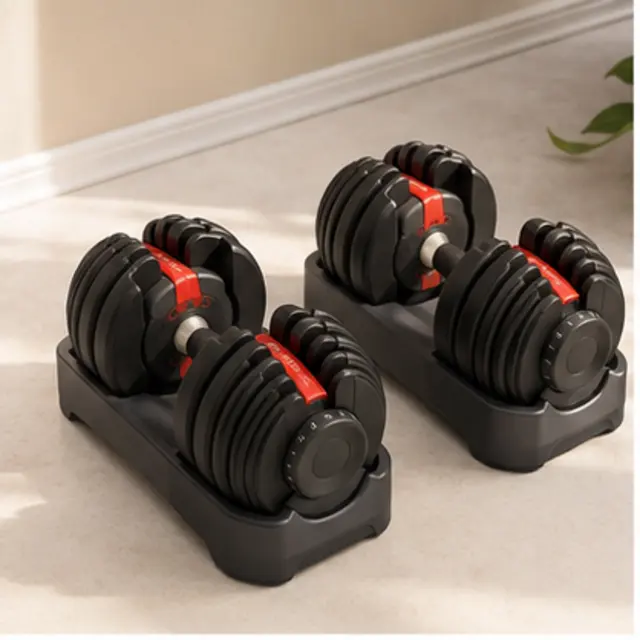
PowerBlock Elite EXP Adjustable Dumbbells
A compact 5–50 lb pair with quick changes and optional expansion when the base set becomes too light.
Best forProgressive strength in limited space
View on Amazon Fitness & Recovery
A useful training plan makes you stronger, preserves movement, and still works during a busy week. The goal is steady progress—not punishment, novelty, or an equipment collection.
Two to four focused resistance sessions can cover the major movement patterns: squat, hinge, push, pull, carry, and controlled trunk work. Choose exercises you can perform consistently and track. Progress by adding a clean repetition, improving range of motion, or increasing resistance when the current work is controlled. A simple program repeated long enough usually produces more than a complicated program that changes every week.
Walking supports conditioning, recovery, and energy without requiring a special event. Use a route, time of day, or step range that fits normal life. Short walks after meals, stairs, errands on foot, and carrying groceries all count. Cardio does not need to compete with strength training; most of it should leave you feeling better rather than depleted.
Sleep, adequate food, hydration, and easier days do most of the work. Watch whether performance, motivation, joint comfort, and sleep are improving together. If several of those decline, reduce volume or intensity before abandoning the plan. Supplements, gadgets, and elaborate routines should come after the basics—and only when they solve a clear problem.
Start with the exercises you need, the resistance range you can use now, and the space available for both training and storage. Adjustable dumbbells, a stable bench, bands, and a safe pulling option cover a great deal. Check weight ratings, doorframes, floor clearance, and locking mechanisms. Equipment earns its space when it makes progression easier and setup quick.
Record the exercise, load, repetitions, and one note about effort or discomfort. That is enough to reveal whether you are progressing. Avoid automatic increases when technique or joints are not ready. Pain, dizziness, unusual shortness of breath, or symptoms that concern you are reasons to stop and seek qualified guidance rather than pushing through.
Bottom line
Train hard enough to create a reason to adapt, recover well enough to benefit from it, and keep the plan simple enough to repeat. Consistency is not the easy version of training—it is the part that makes training work.
Useful products
Each recommendation has a specific job. Measure your space and compare the current listing before buying.
Affiliate disclosure: As an Amazon Associate I earn from qualifying purchases. Product images are illustrative and may not show the exact current Amazon listing. Confirm dimensions, compatibility, price, and return terms before buying.
Illustrative imageTraining
A compact 5–50 lb pair with quick changes and optional expansion when the base set becomes too light.
 Illustrative image
Support
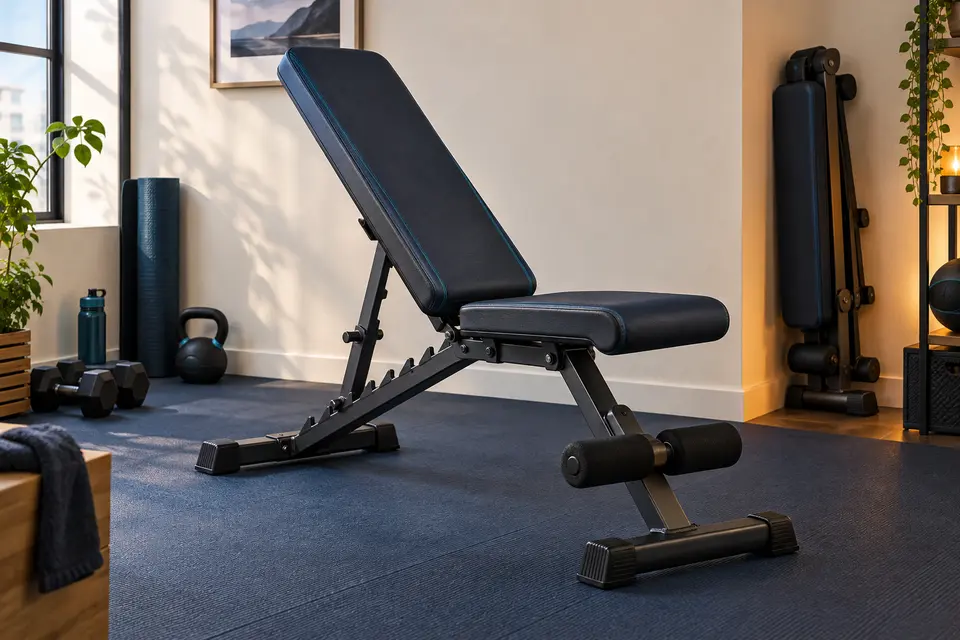
A folding flat-to-incline bench that expands pressing, rowing, and supported exercise options.
 Illustrative image
Movement
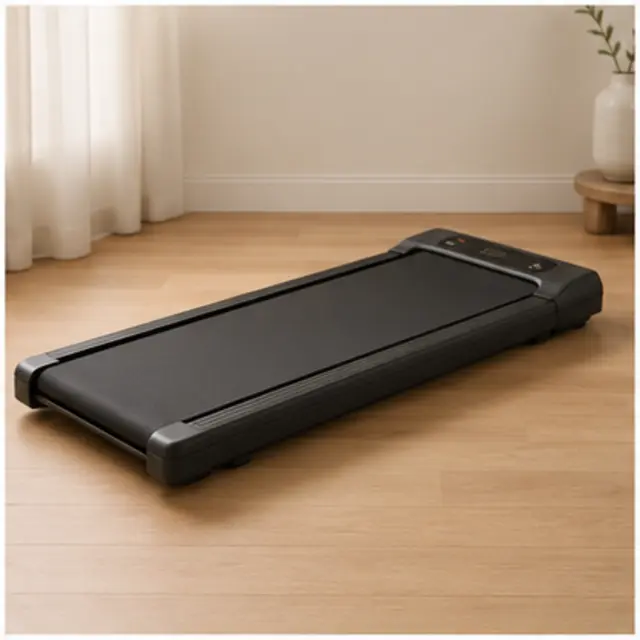
An indoor walking option for weather, schedule, or workdays that make outdoor movement less convenient.